The importance of proper wire harness and hose routing

A Rotax 912 iS aircraft engine is mounted on the front of a blue Vans RV12, both upper and lower cowlings are removed with various components and wiring visible in a hangar setting.

This RV12is had a pilot report a lane A fault for a failed EGT probe. A download of the logs and run up confirmed the issue was present but intermittent. This is the second time this probe has had a problem. Previously it was simply replaced by one of the club members. After removing the cowling and conducting a cursory inspection of the area surrounding the probe and CYL #3, nothing stood out. Since this probe is mostly hidden under the throttle body I opted to remove the entire probe and test it on the bench. Once removed from the aircraft, the problem was obvious.
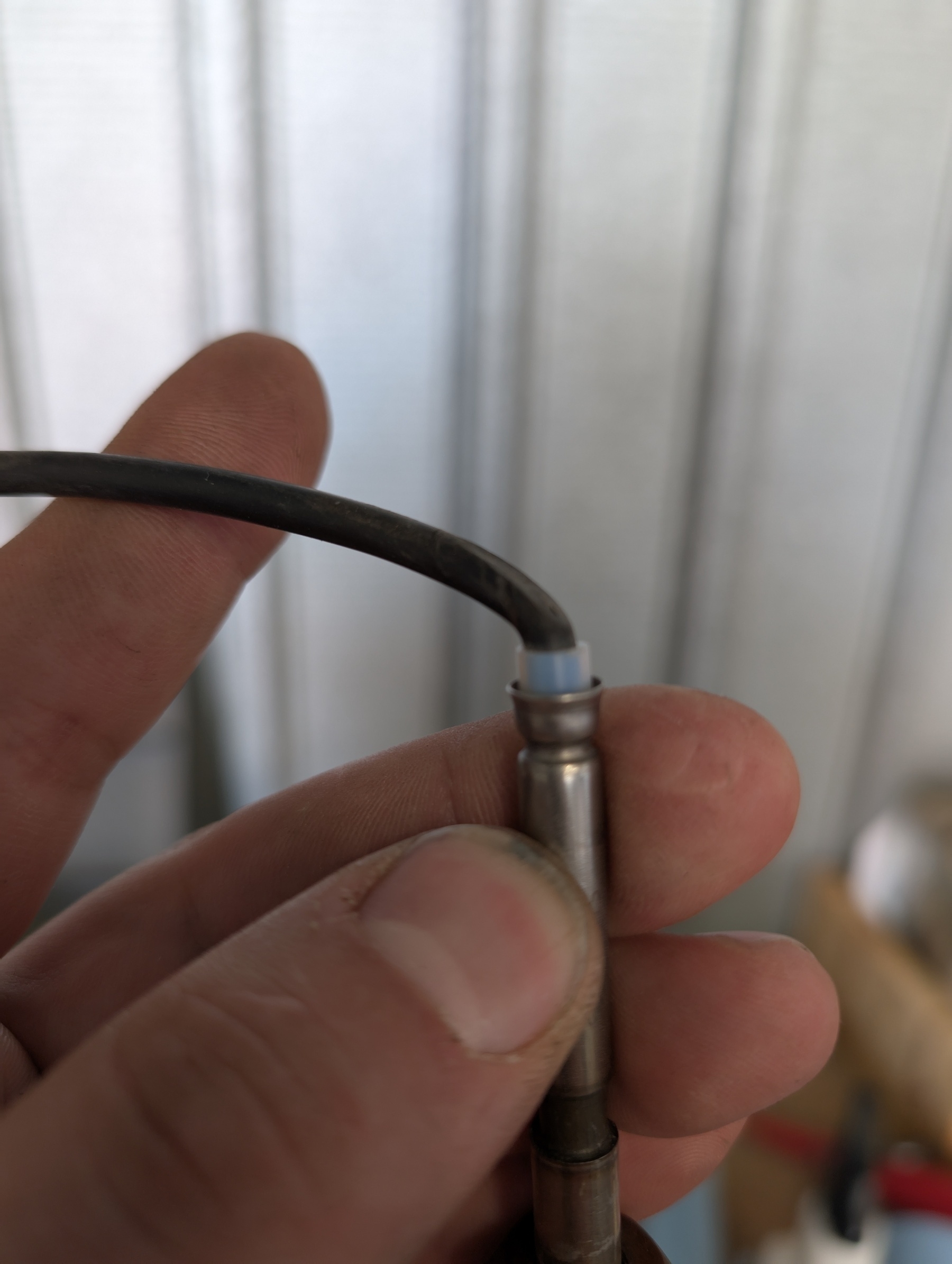
Auto-generated description: A person is holding a small metallic connector attached to a black cable.

Severe chaffing of the probes wire harness was revealed and a bench test showed erratic readings when the harness was manipulated. A smoking gun for a damaged sensor. At this point, a new sensor was ordered. But the job remained to determine why the harness was chaffing and prevent this issue from recurring. This necessitated removing of the lower cowling to obtain access below the throttle body where it became apparent what had happened. The coolant overflow hose which connects the radiator filler to the expansion tank was not routed correctly over top of the engine mount and was chaffing both on the engine mount and on the EGT probe. A replacement hose was obtained and installed, with proper routing, and the new EGT probe was installed. After ensuring there was no contact between the components, the lower cowling was reinstalled and an engine run up was performed. After a satisfactory result, the aircraft was passed on to a pilot to conduct a test flight and it was back in the rotation.

The precautionary landing and multiple week grounding while waiting for parts could have been avoided had the builder paid more attention to routing the coolant hose or had the previous person replacing the EGT probe investigated the root cause before simply replacing the part.
Student Pilot Crosswind Landing Doesn’t go as Expected

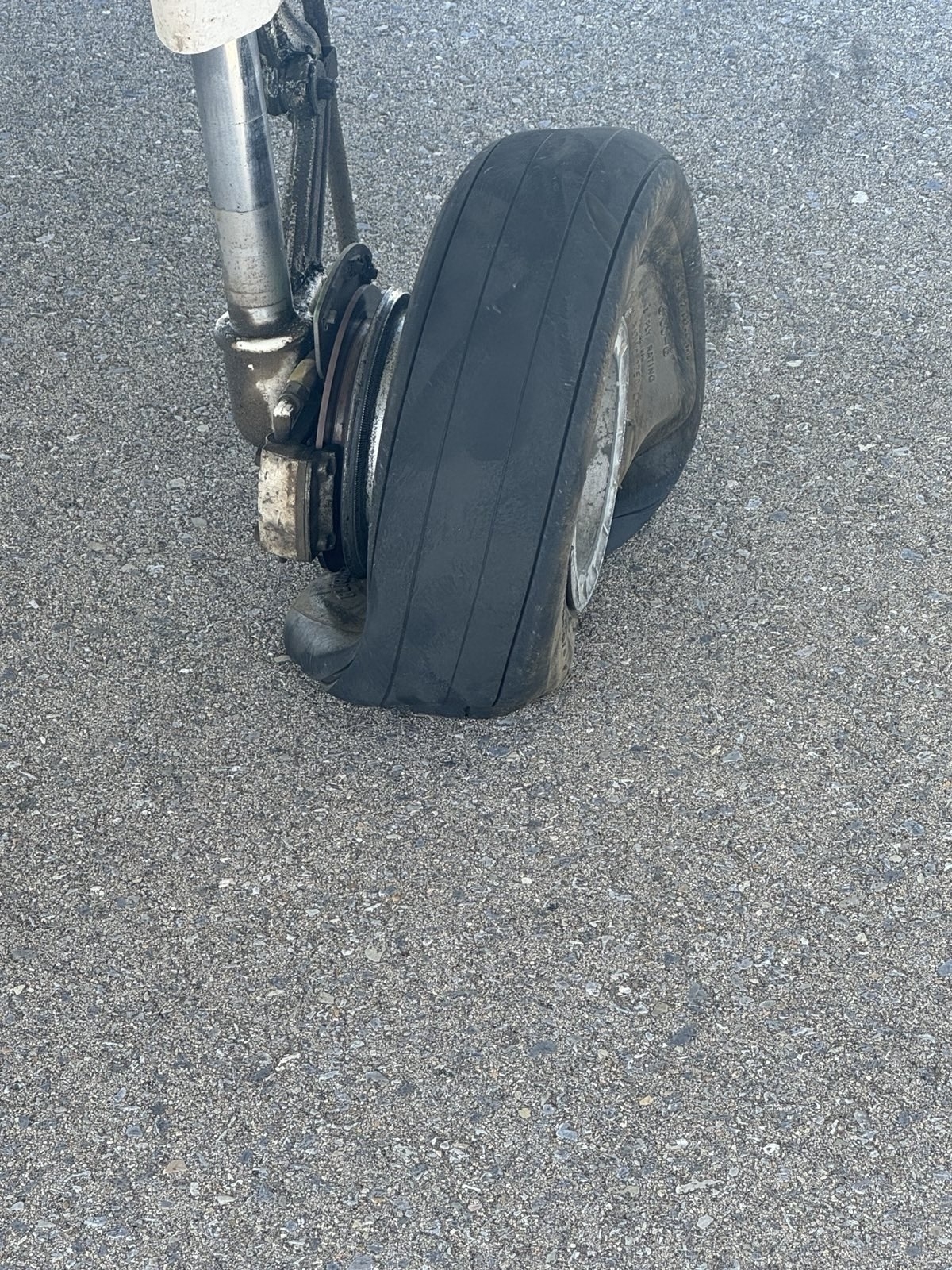
An urgent phone call this afternoon had me driving in to the airport to find that the clubs Cherokee found itself with a blown left main landing gear tire while turning off the runway. Since it happened before the ILS hold short, the student and instructor had to have the aircraft moved to parking by the local FBO. Thankfully they were able to use a dolly and didn’t do any more damage than had already been done. When I arrived the aircraft was in transient parking and the enterprising student pilot had carried a jack all the way from the hangar over to the disabled aircraft.

A close in photo of a flat tire on the main landing gear of a Piper Cherokee.

After jacking up the aircraft, it was quick work to change the tire and get the aircraft moved back over to the hangar where an inspection of the wheel and landing gear could be conducted. The pilots reported they had no idea what happened, however the wear pattern on the tire suggests brakes were applied a bit too early in this crosswind landing. But what do I know, I’m just a mechanic!

A worn aircraft main landing gear tire shows a prominent flat spot where the tire was worn completely through.

While 43.3 allows pilots to perform preventative maintenance such as replacing a tire, they did the right thing calling in the mechanic in this situation, further damage to the wheel, strut or brakes could have been present and those systems should be inspected following an incident like this one.