
Back at the RV12 with a new complaint, I was called in after 2 pilots reported that their avionics turned off with the engine, which should not happen. This seemed to indicate the generator was continuing to supply power to the avionics, but the battery was not. So long as the battery is charged and the master switch is on, the avionics should remain online. After confirming that the pilots were turning the lanes (Rotax ECU) off, not the master switch, to shut down the engine, I consulted the wiring diagrams and installation drawings.
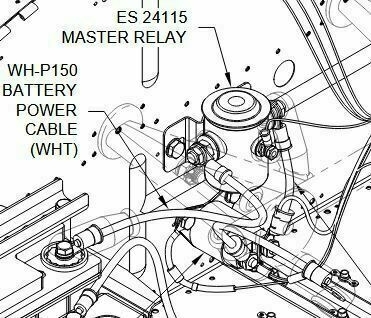
As it turns out, the battery cable runs to the master contactor, which is controlled by the master switch, and then down to the starter solenoid. At the power side of the starter solenoid, a second ring terminal is connected that runs to the power distribution module for the rest of the airframe. Unfortunately, all of this is buried under the coolant overflow tank on the firewall. With nowhere else to start, I drained and removed the coolant tank, gaining access to the master contactor. A quick operational check determined it operated reliably while on the ground. While checking the connections by feel, I was able to move the wires connected to the power side of the starter contactor easily; however, when I attempted to move the nut by hand, I was unable. At this point, the master contactor needed to come out so I could access the starter solenoid. After a few moments, I was able to put a wrench on the power stud and found it to be cross-threaded, an easy mistake with these soft copper studs.
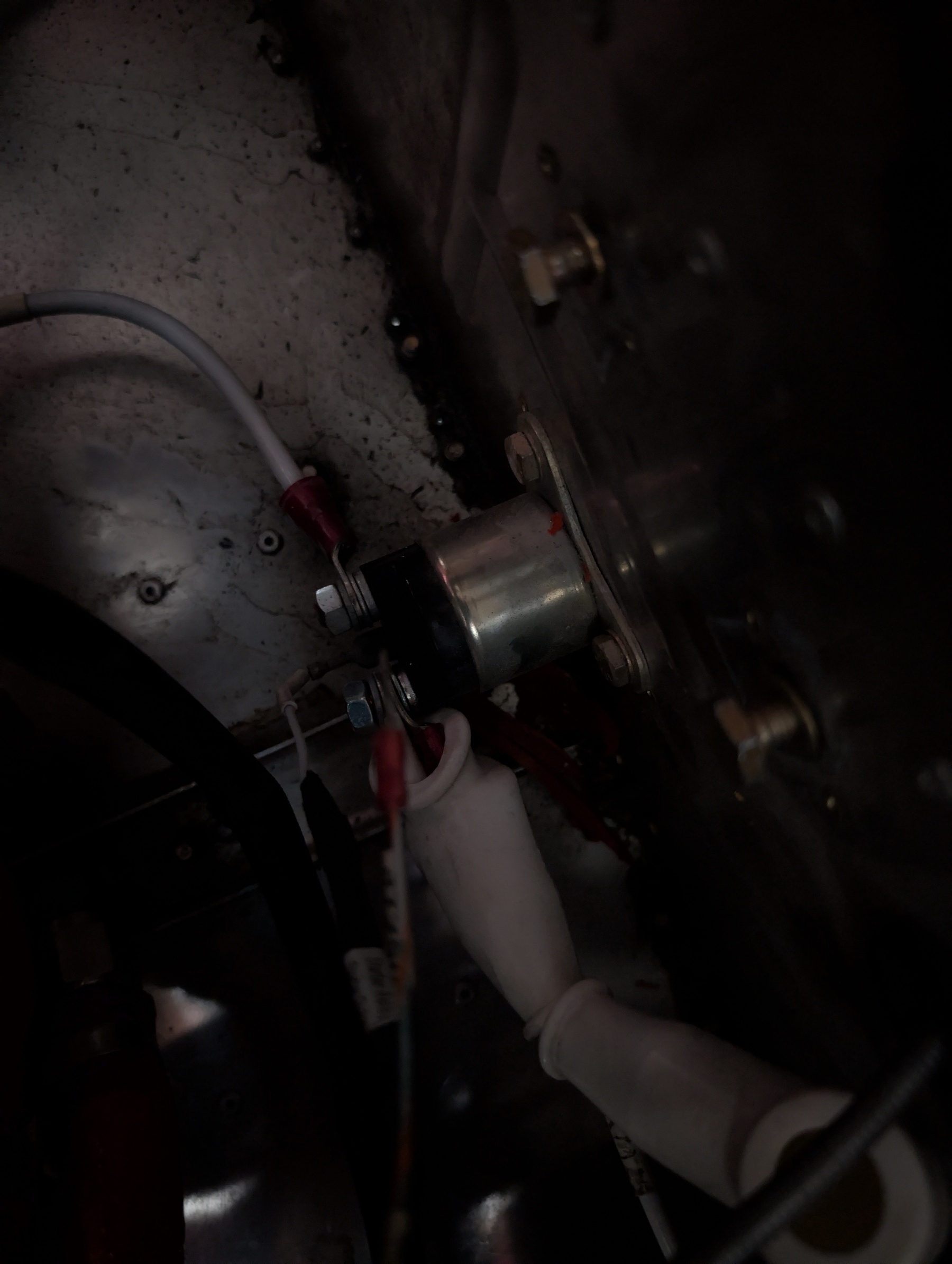
This meant removing the starter solenoid as well and inspecting it. As it turns out, the cross-threaded nut had resulted in the two ring terminals floating and arcing during starting. The resulting oxidation and increased wetting current is likely the root cause of several electrical issues that have plagued this aircraft. New parts are on order, and a thorough test flight will occur to drive this problem to resolution.
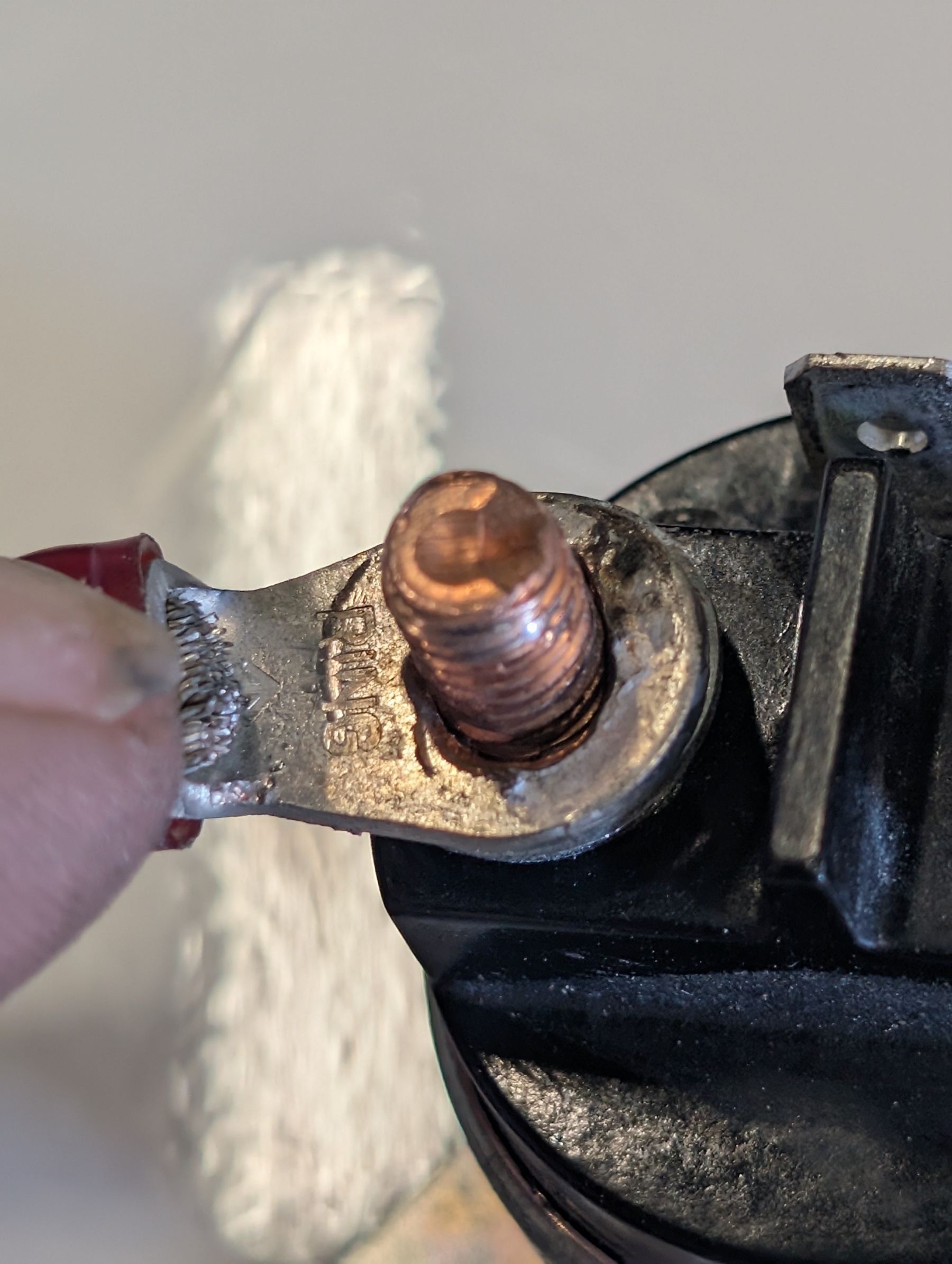
The damaged starter solenoid will need to be replaced before this aircraft is returned to service and the power cable will need to be replaced once one can be sourced. It will be serviceable for now.
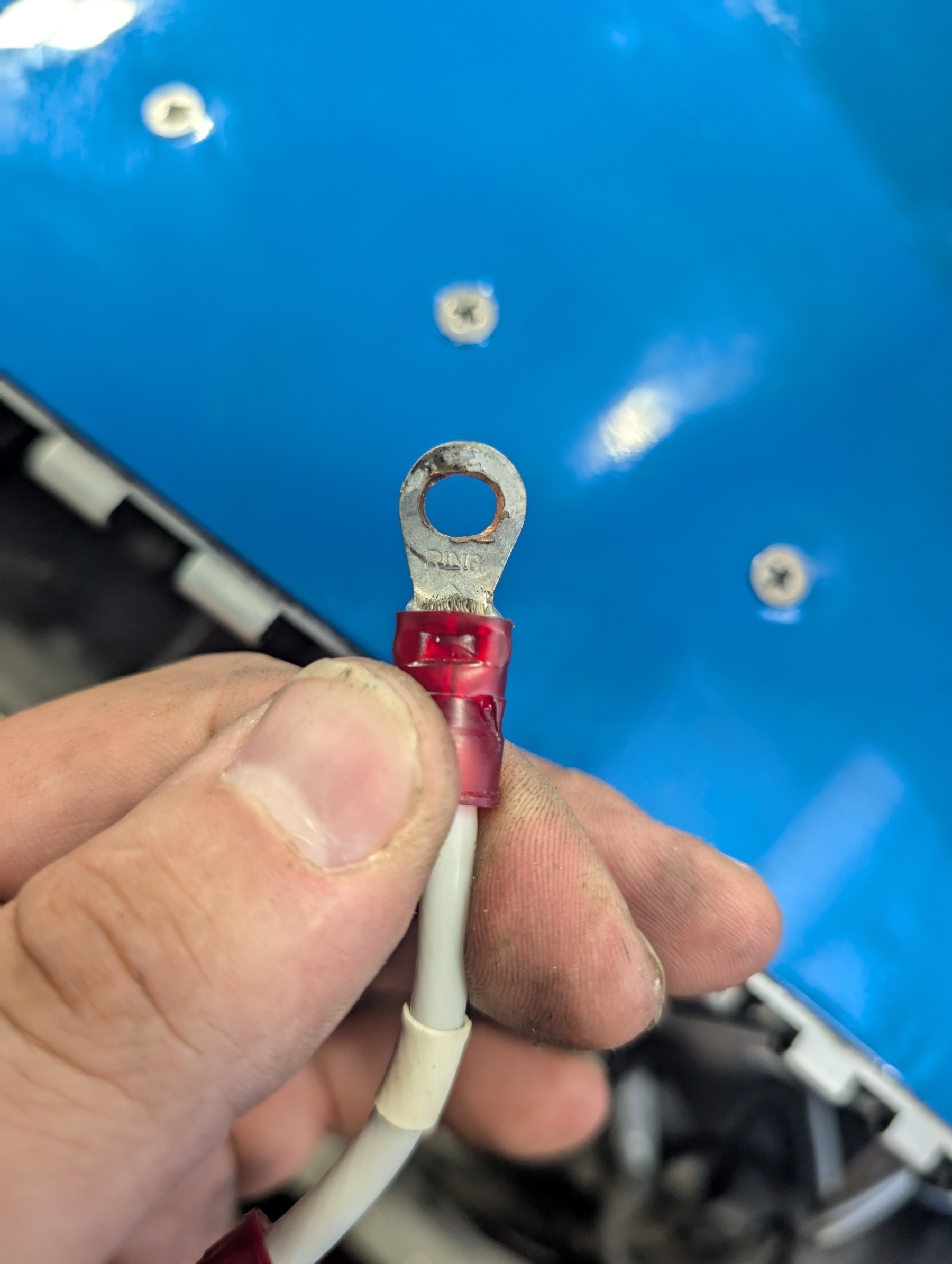
Significant mechanical and electrical damage can be seen here; it is likely that this was installed incorrectly when the aircraft was built, and it has remained that way for nearly 1,000 hours.
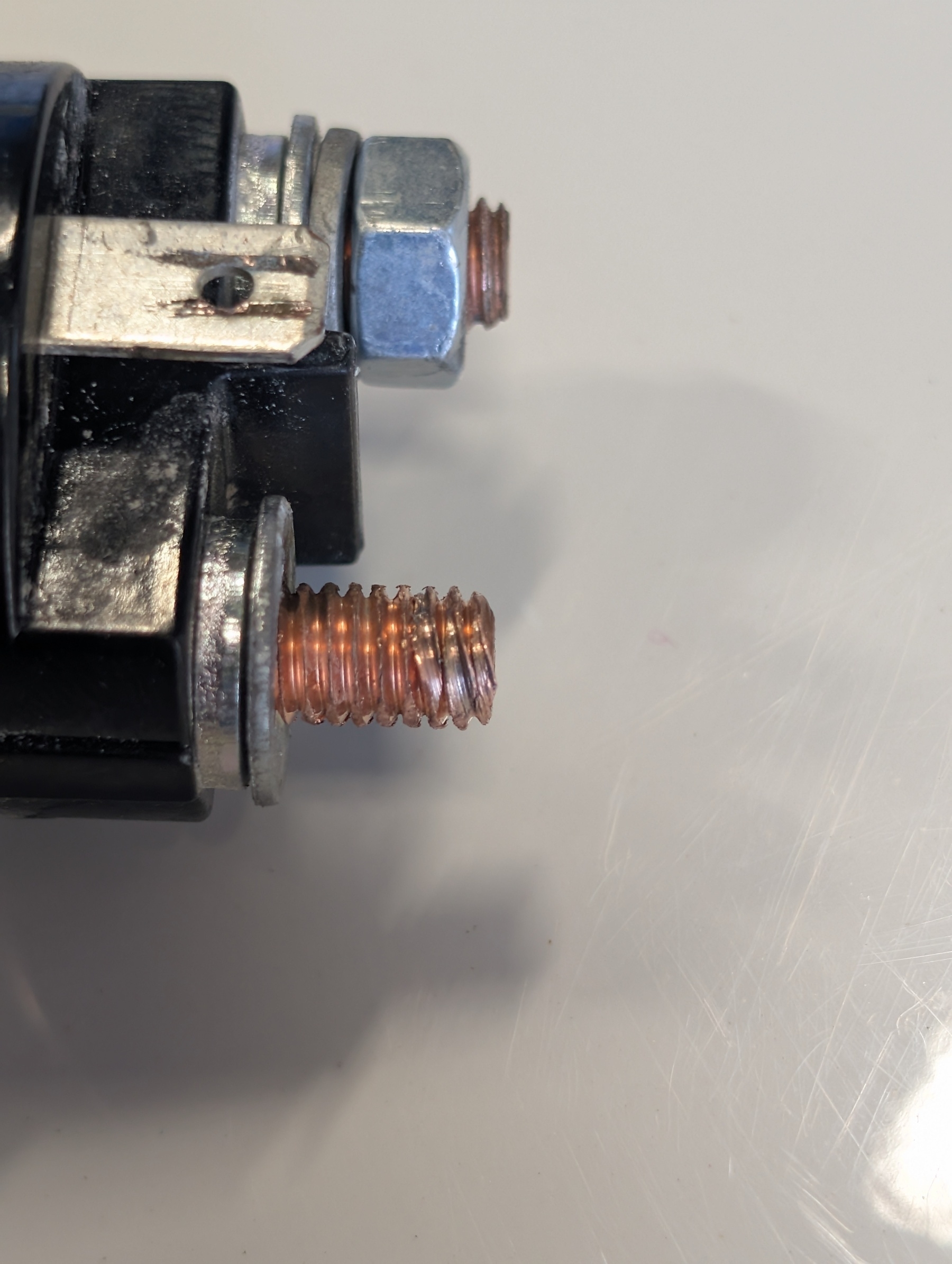
It is critical to ensure that nuts and bolts, which are difficult to see during installation, are sufficiently started by hand to avoid similar damage.